
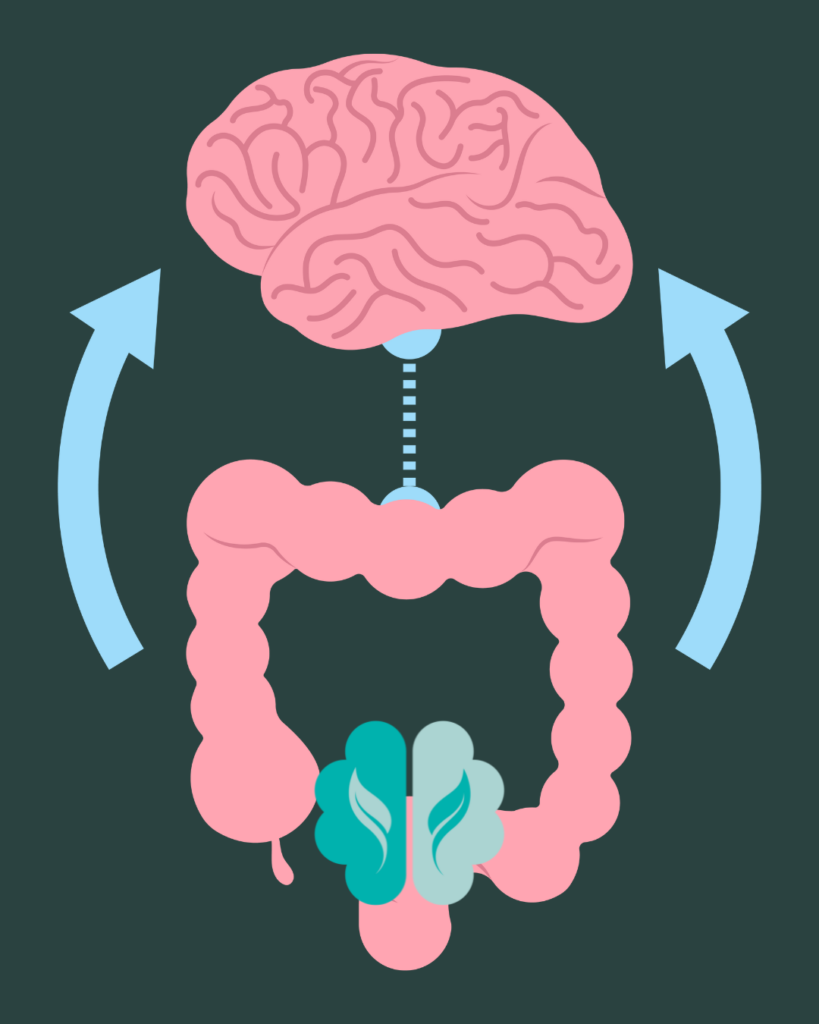
Mental health treatment is experiencing a powerful shift. Traditional approaches, such as talk therapy and medication, have provided relief for many, but they often fail to address the root causes of mental health disorders. Mental health is evolving beyond traditional therapy and medication and this is a great shift. While psychology has long been focused on cognitive and behavioral interventions, a growing body of research supports the integration of functional nutrition, functional lab testing, and exercise science into psychological practice. This holistic approach—rooted in integrative health and functional wellness—recognizes the profound impact of diet, gut health, nutrient status, talk-therapy, and movement on mental well-being.
Why Psychology Needs Functional Nutrition, Labs, and Exercise Science
Psychological disorders such as depression, anxiety, and PTSD are often viewed through a biochemical lens, where neurotransmitter imbalances are addressed with pharmaceutical interventions. However, recent evidence suggests that these imbalances may stem from nutritional deficiencies, poor digestion, gut microbiome dysbiosis, and lifestyle factors (Mikkelsen et al., 2016). By expanding psychology’s scope to include functional nutrition, lab testing, and exercise science, we can create a more personalized and effective approach to mental health care.
What if anxiety, PTSD, and depression weren’t just chemical imbalances in the brain, but rather symptoms of deeper dysfunctions in the body? Research now confirms that hormonal imbalances, gut health, inflammation, and past trauma all play critical roles in mental health. I recently read a study where 84% of people diagnosed with fibromyalgia had adverse childhood experiences. Talk about a long-term chronic stressor.
This is where functional nutrition, lab testing, and exercise science are paving the way for a personalized, root-cause approach that is revolutionizing mental health care. By identifying the biological and physiological factors driving symptoms, clients can experience long-term healing, rather than temporary symptom relief. Through functional lab testing, targeted nutrition, hormone balancing, and trauma-informed therapies, we can optimize the brain-body connection and create a science-backed approach to mental wellness.
Long-term or chronic stress negatively impacts the body. It is also critical to talk about the importance of acute stress as this is how we have been able to survive. It is how our wounds begin to heal. We absolutely need acute or eustress in our lives. Stress becomes problematic when it moves from acute/eustress to chronic/distress. Chronic stress has the potential to disrupt feedback loops that the body uses to stay in homeostasis.
Homeostasis is the body’s ability to maintain a stable internal environment despite external changes. This balance is regulated through biological processes that control temperature, pH, hydration, and nutrient levels to support optimal function. When homeostasis is disrupted—whether by stress, poor diet, or illness—the body works to restore equilibrium through physiological and behavioral adjustments. Supporting homeostasis through nutrition, movement, and stress management is essential for long-term health.
The HPA & HPAT Axes: The Foundation of Mental Health
Mental health is deeply connected to the body’s stress and hormonal systems, specifically the HPA (Hypothalamic-Pituitary-Adrenal) axis and HPAT (Hypothalamic-Pituitary-Adrenal-Thyroid) axis. These systems regulate cortisol (stress hormone), thyroid function, and neurotransmitter production, all of which play a major role in anxiety, PTSD, and depression.
When the HPA axis is overactivated, the body remains in a constant state of fight-or-flight, leading to high cortisol levels, insomnia, panic attacks, and mood dysregulation (Russell & Lightman, 2019). Over time, chronic stress can cause the HPA axis to become dysregulated, leading to low cortisol output (adrenal fatigue), which is linked to burnout, fatigue, and depressive symptoms.
The HPAT axis extends this connection by linking adrenal function with thyroid health. Low thyroid hormones (hypothyroidism) are often misdiagnosed as depression, as they cause fatigue, brain fog, and low motivation(Kirkegaard & Faber, 1998). On the other hand, hyperthyroidism can mimic anxiety, causing symptoms such as racing thoughts, heart palpitations, and panic attacks.
By assessing HPA and HPAT function through saliva hormone testing, practitioners can develop personalized treatment strategies that balance cortisol, thyroid hormones, and neurotransmitters, leading to improved emotional resilience and mental clarity.
1. HPA Axis Dysfunction (Hypothalamic-Pituitary-Adrenal) – Chronic Stress & Cortisol Dysregulation
💥 Key Impact: Chronic stress leads to either overactive (high cortisol) or exhausted (low cortisol) HPA function, affecting mood, energy, and resilience.
📌 If Cortisol is High (Early Dysregulation)
- Physical:
- Anxiety, restlessness, heart palpitations
- Insomnia or waking up between 2-4 AM
- Increased belly fat despite exercise
- Blood sugar swings, sugar/carb cravings
- Digestive issues (IBS, bloating, acid reflux)
- Mental/Emotional:
- Racing thoughts, constant worry, easily overwhelmed
- Short temper, irritability, snapping at loved ones
- Difficulty relaxing even when tired
- Behavioral:
- Overcommitting to work/projects
- Increased caffeine use to “push through”
- Avoiding socializing due to feeling “on edge”
📌 If Cortisol is Low (Late-Stage Dysregulation/Burnout)
- Physical:
- Extreme fatigue, morning grogginess (even after sleeping)
- Chronic muscle aches, slow injury recovery
- Weak immune function (frequent colds, allergies)
- Low blood pressure, dizziness when standing
- Mental/Emotional:
- Feeling numb, detached, or “checked out”
- Low motivation, procrastination, or feeling “stuck”
- Brain fog, forgetfulness, difficulty focusing
- Depression-like symptoms, feeling unmotivated
- Behavioral:
- Withdrawing from responsibilities or social life
- Craving salty foods (body trying to balance low aldosterone)
- Struggling to get out of bed or needing multiple naps
2. HPAT Axis Dysfunction (Hypothalamic-Pituitary-Adrenal-Thyroid) – Thyroid Suppression Due to Stress
💥 Key Impact: Chronic stress downregulates thyroid function, reducing metabolism, energy, and cognitive function.
Symptoms & Behaviors
📌 If Thyroid Function is Suppressed (Low T3, High Reverse T3)
- Physical:
- Chronic fatigue, sluggishness, even after rest
- Cold intolerance (always needing layers)
- Hair thinning, brittle nails, dry skin
- Weight gain despite exercise & dieting
- Constipation, slow digestion, bloating
- Mental/Emotional:
- Low motivation, brain fog, trouble focusing
- Depression-like symptoms, low mood, apathy
- Feeling emotionally “flat” or disconnected
- Increased sensitivity to rejection or criticism
- Behavioral:
- Avoiding physical activity due to exhaustion
- Preferring isolation due to feeling too drained for interaction
- Seeking carbs, caffeine, or naps to boost energy
How This Plays Out in Real Life
✅ Example 1: A high-achieving woman in a demanding job (HPA dysregulation, high cortisol phase)
- She stays up late working, wakes up anxious at 3 AM, and feels wired but exhausted.
- She’s snapping at loved ones and reaching for caffeine and sugar all day.
- Eventually, her adrenals crash (low cortisol phase)—now she’s waking up exhausted, feeling “numb” or disconnected, and struggling to complete basic tasks.
✅ Example 2: A military spouse who has endured chronic stress for years (HPAT dysregulation, suppressed thyroid)
- She feels cold all the time, gains weight even with diet changes, and loses motivation for things she used to enjoy.
- Her hair is thinning, and she feels “foggy” and forgetful.
- She’s emotionally flat and avoids social situations because she doesn’t have the energy to engage.
Case Study: Hormonal Imbalances & PTSD Recovery
Client: Sarah, 38 – Former Military Veteran with PTSD & Chronic Anxiety
Sarah struggled with severe PTSD, panic attacks, and chronic fatigue. Despite years of therapy and medication, her symptoms persisted. A functional assessment of her HPA axis revealed extremely low cortisol levels, low progesterone, and imbalanced testosterone.
Intervention:
- Adaptogenic herbs & progesterone support to regulate cortisol.
- Strength training & aerobic exercise to naturally boost testosterone and dopamine.
- Gut repair protocol to address underlying inflammation.
- Trauma-informed therapy (EMDR & somatic work) to reprocess memories.
Results: After 4 months, Sarah experienced a 70% reduction in panic attacks, improved energy, and better emotional regulation. By restoring hormonal balance and addressing gut-brain inflammation, she gained control over her PTSD symptoms for the first time in a decade.
The Connection Between Childhood Trauma and Adult Mental Health
Childhood trauma is one of the most overlooked factors in mental health conditions. The Adverse Childhood Experiences (ACEs) study found that early-life trauma increases the risk of developing PTSD, complex PTSD (CPTSD), anxiety, and depression in adulthood (Anda et al., 2006).
Trauma causes structural changes in the brain, particularly in the amygdala (fear processing center), hippocampus (memory formation), and prefrontal cortex (emotional regulation). These changes make individuals more sensitive to stress and prone to emotional dysregulation later in life (Teicher et al., 2016).
Additionally, early-life trauma disrupts gut health and immune function, increasing inflammation and triggering HPA axis dysregulation, both of which contribute to mood disorders, chronic stress, and autoimmunity. Functional medicine provides a unique, root-cause approach to healing trauma by addressing both the physiological and psychological effects of childhood adversity.
Case Study: Childhood Trauma & Functional Healing
Client: Jake, 29 – High-Functioning Professional with Anxiety & Depression
Jake had high-functioning anxiety and episodes of depression. Despite therapy, he still felt on edge, fatigued, and emotionally unstable. A functional assessment revealed high cortisol, gut inflammation, and childhood trauma exposure (ACEs score: 6/10).
Intervention:
- Saliva cortisol testing → Confirmed HPA axis overactivation.
- OAT & stool testing → Identified gut dysbiosis & neurotransmitter imbalances.
- Personalized nutrition plan → Removed inflammatory foods and added gut-healing nutrients.
- Nervous system regulation (breathwork, cold therapy, and somatic exercises) to reset stress responses.
Results: After 5 months, Jake reported improved focus, emotional stability, and a reduction in depressive episodes. His cortisol levels normalized, and he finally experienced true emotional regulation for the first time.
PTS, Anxiety, and Depression: How They Overlap & Coexist
These conditions are often comorbid, meaning they frequently occur together. Someone with PTS often develops chronic anxiety, and untreated anxiety can spiral into depression. Why? Because they all stem from dysregulation in the stress response, brain chemistry, and inflammation.
Symptoms of PTS:
- Flashbacks, nightmares
- Hypervigilance, exaggerated startle response
- Emotional numbness, detachment
- Difficulty concentrating
- Sleep disturbances
Symptoms of Anxiety:
- Excessive worry, racing thoughts
- Muscle tension, restlessness
- Heart palpitations, chest tightness
- GI distress (nausea, IBS)
- Insomnia
Symptoms of Depression:
- Persistent sadness, hopelessness
- Fatigue, low energy
- Loss of interest in activities
- Changes in appetite and sleep
- Difficulty concentrating
Because these conditions share underlying physiological imbalances, a comprehensive, functional approach is key to long-term healing.
Why Brain Injuries Should Be Ruled Out
Brain injuries and concussions often mimic mental health disorders, leading to misdiagnosis. A traumatic brain injury (TBI) can result in mood swings, memory loss, brain fog, and sleep disturbances, often mistaken for anxiety, depression, or PTSD (Gardner & Yaffe, 2015). TBI affects dopamine and serotonin production, disrupts the HPA axis, and leads to chronic neuroinflammation, worsening mental health symptoms. Functional neuroimaging (SPECT scans, qEEG, and cognitive assessments) can help differentiate TBI-related mood disorders from primary mental health conditions. Before diagnosing someone with a mental health disorder, it’s essential to rule out brain injuries. Traumatic brain injuries (TBIs) and concussions can cause symptoms that mimic anxiety, depression, and PTSD, including:
- Mood swings, irritability
- Memory loss, brain fog
- Sleep disturbances
- Chronic headaches
TBIs impact dopamine and serotonin production, and they can cause HPA axis dysfunction (Gardner & Yaffe, 2015). If a client has a history of head trauma, even mild concussions, it’s crucial to assess brain function using SPECT scans, neurocognitive testing, or qEEG brain mapping.
The Most Overlooked Mental Health Treatment: Exercise
Exercise isn’t just for physical health—it is one of the most powerful antidepressants and anti-anxiety treatments available. Movement directly rewires the brain by:
- Increasing serotonin and dopamine → Elevating mood and motivation.
- Boosting Brain-Derived Neurotrophic Factor (BDNF) → Enhancing neuroplasticity and cognitive function(Cooney et al., 2013).
- Reducing cortisol and balancing the HPA axis → Helping to manage PTS and chronic stress (Smith et al., 2018).
Exercise Strategies for Mental Health
For optimal mental health, clients should engage in:
✅ Strength training (2-3x per week) → Builds mental resilience and increases testosterone and dopamine.
✅ Aerobic activity (30+ minutes per day) → Boosts serotonin, reduces inflammation, and improves mood stability.
✅ Mind-body practices (yoga, breathwork, tai chi) → Helps regulate the autonomic nervous system and reduce anxiety.
Personalized Mental Health Healing Framework
Step 1: Identify Root Causes with Functional Lab Testing
🔬 Saliva Cortisol, Progesterone, Testosterone Test → Assess HPA axis & hormonal balance. Hormones play a major role in mental health, and saliva hormone testing provides a clear picture of stress and hormonal balance.
- Cortisol → High cortisol levels contribute to anxiety, PTSD, and panic attacks, while low cortisol is linked to burnout and depression.
- Progesterone → A natural GABA enhancer, low levels are linked to increased anxiety, sleep disturbances, and mood swings (Girdler et al., 2001).
- Testosterone → Essential for motivation, confidence, and resilience. Low levels are associated with depression, fatigue, and low drive (Zarrouf et al., 2009).
🔬 OAT Test → Detect neurotransmitter imbalances and mitochondrial dysfunction. The Organic Acids Test (OAT) is a powerful tool for assessing neurotransmitter metabolism, gut health, mitochondrial function, and inflammation, all of which are linked to mental health conditions. Key OAT markers that affect mental health include:
- Low serotonin metabolites (5-HIAA) → Suggests serotonin depletion, common in depression and anxiety(Morris et al., 2017).
- Elevated quinolinic acid → Indicates neuroinflammation, which contributes to brain fog, mood disorders, and cognitive decline (Haroon et al., 2016).
- Clostridia bacterial toxins → These disrupt dopamine metabolism, which can worsen anxiety, depression, and aggression (Kelly et al., 2019).
- Elevated oxidative stress markers → High levels suggest mitochondrial dysfunction, which is common in chronic fatigue, depression, and neurodegenerative diseases.
By identifying neurotransmitter imbalances and gut-derived toxins, practitioners can personalize nutrition, probiotics, and supplementation strategies to restore brain function.
🔬 Stool Testing → Identify gut dysbiosis, inflammation, and infections. Mental health is deeply connected to gut health, with research showing that the gut microbiome influences mood, cognitive function, and emotional resilience. Stool testing can reveal:
- Low beneficial bacteria (Bifidobacterium, Lactobacillus) → These bacteria produce GABA and serotonin, and their deficiency is linked to depression and anxiety (Clapp et al., 2017).
- Leaky gut markers (Zonulin, Calprotectin) → Increased gut permeability allows inflammatory compounds into the bloodstream, contributing to neuroinflammation and brain fog (Kelly et al., 2015).
- Pathogenic overgrowth (Candida, H. pylori, parasites) → These microbes produce neurotoxins that disrupt dopamine and serotonin function, worsening mood and cognition (Bested et al., 2013).
Gut healing strategies (including targeted probiotics, digestive support, and anti-inflammatory nutrition) can dramatically improve mental clarity, mood stability, and emotional regulation.
🔬 Food Sensitivity Testing → Reduce inflammatory triggers. Undiagnosed food sensitivities are hidden triggers for anxiety, depression, and brain fog. Chronic inflammation caused by gluten, dairy, soy, eggs, and artificial additives can disrupt brain function (Lerner & Matthias, 2015).
Eliminating inflammatory foods and following a personalized anti-inflammatory diet can help reduce systemic inflammation and improve mood stability.
🔬 Brain Injury Assessment (if applicable) → Rule out TBI-related mental health symptoms.
Step 2: Restore Gut & Hormonal Balance
🥑 Personalized nutrition → Anti-inflammatory diet, gut-healing foods.
💊 Targeted supplementation → Magnesium, B vitamins, omega-3s, adaptogens for HPA axis support.
🦠 Probiotics & gut repair → Restore microbiome balance and serotonin production.
Step 3: Implement Nervous System Regulation
🧘♂️ Mindfulness, breathwork, vagus nerve stimulation → Reduce stress response.
🏋️ Exercise therapy → Improve neurotransmitter production and neuroplasticity.
😴 Sleep optimization → Regulate circadian rhythms with light exposure, magnesium, and sleep hygiene.
Step 4: Trauma-Informed Therapy & Emotional Healing
🗣 Somatic therapy, EMDR, or cognitive-behavioral therapy (CBT) → Reprocess trauma and rewire brain patterns.
📖 Journaling & self-reflection exercises → Address limiting beliefs and emotional blockages.
🧠 Psychedelic-assisted therapy (if applicable & legal) → Emerging tool for deep trauma healing and neuroplasticity.
If you are looking for in-depth root cause functional testing to optimize your healing process and would like to work with Intentionally Healed go ahead and book the Elite Package to get the most out of functional testing. https://l.bttr.to/Zq4yu
Intentionally Healed offers multiple packages. The best way to find out what aligns with your needs is the check out what services we offer https://intentionallyhealed.com/nutritional-therapy-for-athletes-and-high-performers/.
The Future of Psychology is Root-Cause Focused
Mental health is more than just neurotransmitters—it’s deeply tied to hormones, gut health, inflammation, trauma, and lifestyle choices.
By integrating functional nutrition, personalized lab testing, and strategic exercise protocols, we can redefine mental health treatment and create a science-backed, root-cause approach to healing.
This is the future of psychology—a functional, holistic, and personalized system that empowers individuals to heal from the inside out.
The Future of Mental Health is Functional & Root-Cause Based
Mental health care must evolve beyond symptom management. Anxiety, PTSD, and depression are not just chemical imbalances—they are complex conditions influenced by hormonal dysregulation, gut health, inflammation, childhood trauma, and brain function.
By integrating functional lab testing, personalized nutrition, and strategic movement protocols, we can create a revolutionary, science-backed, and root-cause approach to mental wellness.
Are You Ready to Take Charge of Your Mental Health?
If you’re tired of short-term solutions and want a personalized plan for deep healing, let’s explore how functional medicine and psychology can help you heal from the inside out.
Food Sensitivities and Mental Health: The Missing Link in Anxiety, PTSD, and Depression
Mental health is not just about brain chemistry—it’s about whole-body health. One of the most overlooked contributorsto anxiety, PTSD, and depression is chronic inflammation driven by food sensitivities.
Many people unknowingly consume inflammatory foods that disrupt their gut, trigger immune reactions, and impair neurotransmitter production. Over time, these reactions can lead to persistent mood imbalances, brain fog, fatigue, and even worsening mental health symptoms.
Understanding the link between food sensitivities, gut health, and the brain is key to optimizing mental well-being and reducing symptoms at their root.
How Food Sensitivities Contribute to Mental Health Disorders
Food sensitivities are different from food allergies. Unlike a true allergy (IgE reaction), which causes immediate and severe symptoms, food sensitivities are delayed immune responses (IgG or IgA reactions) that create low-grade, chronic inflammation over time.
1. Inflammation and the Brain
When the body reacts negatively to certain foods, it triggers an immune response that releases pro-inflammatory cytokines (such as IL-6 and TNF-alpha). These molecules cross the blood-brain barrier and disrupt neurotransmitter function, leading to symptoms such as:
- Increased anxiety (due to overstimulation of the nervous system).
- Depressive mood (from impaired serotonin and dopamine production).
- Brain fog and cognitive dysfunction (due to neuroinflammation).
Chronic inflammation directly affects the HPA axis, leading to cortisol dysregulation, which contributes to stress, fatigue, and mood swings (Haroon et al., 2016).
2. Gut Health, Food Sensitivities, and the Brain
Approximately 90% of serotonin and 50% of dopamine are produced in the gut, making the gut-brain connection essential for mental health (Yano et al., 2015). When food sensitivities cause gut inflammation, it leads to:
- Leaky Gut Syndrome (Intestinal Permeability): Inflammatory foods damage the gut lining, allowing toxins and undigested food particles to enter the bloodstream, triggering widespread inflammation (Fasano, 2020).
- Dysbiosis (Imbalanced Gut Bacteria): Inflammatory foods fuel the growth of pathogenic bacteria and Candida, which produce neurotoxins that impair mood, cognition, and emotional regulation (Clapp et al., 2017).
- Nutrient Malabsorption: Chronic gut inflammation can interfere with the absorption of B vitamins, magnesium, and amino acids, all of which are crucial for mental stability and neurotransmitter balance.
3. Blood Sugar Dysregulation and Mood Swings
Many people with anxiety, PTSD, and depression experience unstable blood sugar levels due to food sensitivities. When the body reacts negatively to certain foods, it can cause:
- High blood sugar spikes → Leading to irritability, anxiety, and energy crashes.
- Hypoglycemia (low blood sugar) → Triggering panic attacks, dizziness, and fatigue.
- Insulin resistance → A driver of chronic inflammation and mood instability.
By identifying and removing trigger foods, blood sugar balance stabilizes, leading to improved emotional resilience and cognitive function.
Top Food Groups That Trigger Inflammation & Mental Health Symptoms
Not all foods affect everyone the same way. However, certain food groups are more likely to contribute to inflammation, gut issues, and neurotransmitter imbalances in sensitive individuals.
1. Gluten (Wheat, Rye, Barley) – The Neuroinflammation Trigger
Gluten is one of the most common food sensitivities linked to brain fog, anxiety, and depression. It can:
- Increase gut permeability and contribute to leaky gut (Fasano, 2020).
- Activate pro-inflammatory cytokines that impact serotonin levels.
- Be misdiagnosed as generalized anxiety disorder (GAD) in gluten-sensitive individuals (Ludvigsson et al., 2011).
Removing gluten has been shown to reduce depressive symptoms and improve brain function in sensitive individuals.
2. Dairy (Casein & Whey) – The Hidden Mood Disruptor
Dairy proteins, particularly casein, can trigger gut inflammation and opioid-like brain effects in certain individuals. Caseomorphins, peptides derived from casein digestion, can act on opioid receptors, contributing to:
- Brain fog and sluggishness.
- Emotional instability and anxiety.
- Fatigue and poor concentration.
People with lactose intolerance or dairy sensitivities often experience anxiety, IBS, and skin issues, indicating an underlying immune response.
3. Oxalates – The Anxiety-Triggering Plant Compounds
Oxalates are naturally occurring compounds found in foods such as:
- Spinach, almonds, beets, sweet potatoes, and dark chocolate.
In high amounts, oxalates can:
- Trigger inflammation in the nervous system.
- Reduce mineral absorption (calcium, magnesium, zinc)—all essential for stress resilience.
- Worsen anxiety and irritability in sensitive individuals.
A low-oxalate diet has been shown to improve mood, cognition, and gut health in certain individuals with chronic anxiety and neurological symptoms.
4. High FODMAP Foods – Gut Disruptors
FODMAPs (Fermentable Oligosaccharides, Disaccharides, Monosaccharides, and Polyols) are types of carbohydrates that feed gut bacteria. They are found in:
- Garlic, onions, apples, wheat, dairy, legumes, and sugar alcohols (sorbitol, xylitol).
For people with IBS or gut imbalances, high-FODMAP foods can cause:
- Bloating and gas → Leading to gut-brain inflammation.
- Diarrhea or constipation → Disrupting serotonin levels.
- Mood swings and fatigue → Due to poor nutrient absorption.
Reducing high-FODMAP foods has been shown to decrease anxiety and depression symptoms in individuals with gut-related mental health issues.
5. Artificial Additives – The Chemical Stressors
Many processed foods contain additives, preservatives, and artificial sweeteners that can negatively impact mental health, such as:
- Aspartame → Blocks serotonin production and worsens anxiety (Humphries et al., 2008).
- MSG (Monosodium Glutamate) → Overstimulates brain cells, leading to irritability and mood crashes.
- Food dyes (Red 40, Yellow 5, Blue 1) → Linked to hyperactivity, anxiety, and depression.
A whole-food, anti-inflammatory diet is the best approach for balancing mood and brain function naturally.
Healing Mental Health with a Personalized Anti-Inflammatory Diet
If you suspect food sensitivities are impacting your mental health, try an elimination diet to identify trigger foods. The best approach includes:
✅ Removing inflammatory foods for 30 days (gluten, dairy, processed sugar, soy, corn, and artificial additives).
✅ Focusing on whole, nutrient-dense foods rich in healthy fats, proteins, and fiber.
✅ Reintroducing foods systematically to track symptoms.
✅ Testing for food sensitivities using IgG blood testing for personalized results.
By addressing food sensitivities and inflammation, individuals with anxiety, PTSD, and depression can experience significant mental clarity, improved mood, and reduced symptoms.
Food is Medicine for the Mind
Mental health isn’t just about therapy and medication—it’s about how our bodies react to what we eat. By reducing inflammatory foods, balancing gut health, and supporting neurotransmitter production, we can optimize mental well-being naturally. Book your Discovery Call today https://p.bttr.to/3MhkPne. Looking at mental health from a biopsychosocial model is how we truly have a positive impact and become Intentionally Healed. Often, I find that my clients start off utilizing the field of conventional medicine and conventional psychology methods. When those fail they turn to Intentionally Healed.
We hope that you find the healing you are looking for.
References
- Anda, R. F., Felitti, V. J., et al. (2006). The enduring effects of childhood abuse and related experiences. European Archives of Psychiatry and Clinical Neuroscience, 256(3), 174-186.
- Clapp, M., Aurora, N., Herrera, L., et al. (2017). Gut microbiota’s effect on mental health. Frontiers in Psychiatry, 8, 5.
- Cooney, G. M., Dwan, K., Greig, C. A., et al. (2013). Exercise for depression. Cochrane Database of Systematic Reviews, 2013(9).
- Haroon, E., Raison, C. L., & Miller, A. H. (2016). The role of inflammation in depression. Neuropsychopharmacology, 41(1), 193-215.
- Teicher, M. H., Samson, J. A., et al. (2016). Childhood maltreatment and psychopathology. Neuroscience & Biobehavioral Reviews, 70, 1-17.