
Creatine is not just for bodybuilders—it’s a powerhouse supplement that supports mental health, cognitive performance, physical recovery, and inflammation reduction. While creatine supplementation can provide a concentrated dose, it’s also naturally found in food. This blog will explore the benefits of creatine, natural food sources, its implications for vegans and vegetarians, and how to work with a practitioner to determine if it’s right for you.
What Is Creatine?
Creatine is a compound naturally produced in the body from amino acids (arginine, glycine, and methionine) and stored primarily in muscles and the brain. It plays a central role in energy metabolism by replenishing ATP (adenosine triphosphate), the body’s energy currency. While the body produces about 1-2 grams of creatine daily, additional creatine comes from dietary sources or supplements.

Top Benefits of Creatine: Backed by Science
- Improves Cognitive Performance: Creatine supports brain energy and enhances focus, working memory, and decision-making under stress. A study in Proceedings of the Royal Society B found that 5 grams of creatine daily improved cognitive performance in sleep-deprived individuals (Rae et al., 2003).
2. Supports Mental Health :Creatine supplementation may benefit individuals with depression by improving cellular energy metabolism in the brain. A double-blind trial showed that 5 grams daily significantly reduced depressive symptoms in women when combined with antidepressant therapy (Rocha et al., 2015).
3. Enhances Physical Performance and Recovery: As noted in Exercise Physiology: Nutrition, Energy, and Human Performance, creatine increases phosphocreatine stores, improving high-intensity performance, strength, and recovery. After intense exercise, athletes and active individuals see improvements in muscle power and reduced muscle damage.
4. Reduces Inflammation: Creatine has anti-inflammatory properties, reducing markers such as C-reactive protein (CRP). This can benefit recovery, chronic inflammation, and diseases like diabetes and cardiovascular conditions (Rahimi et al., 2017).
5. Bridges Nutritional Gaps: Creatine supplementation is particularly valuable for vegans and vegetarians, who are often deficient in creatine due to the absence of animal products in their diets. This can impact energy levels, cognition, and muscle recovery.
Natural Sources of Creatine
Creatine is primarily found in animal-based foods, including:
Red Meat: Beef contains about 2 grams of creatine per pound.
Fish: Salmon and herring are excellent sources, providing approximately 3-5 grams of creatine per pound.
Poultry: Chicken contains smaller amounts but still contributes to dietary intake.
Creatine levels tend to be lower in individuals consuming a plant-based diet, as plants do not contain creatine. Vegans and vegetarians are often deficient, which can lead to reduced muscle creatine stores and potentially impact cognitive and physical performance. This makes supplementation particularly beneficial for these groups.
Pros and Cons of Creatine Supplementation
Pros:
- Safe and Well-Researched: Backed by decades of studies demonstrating safety and efficacy.
2. Energy and Performance: Enhances physical and cognitive energy by improving ATP production.
3. Anti-Inflammatory: Reduces inflammation, aiding recovery and chronic disease prevention.
4. Neuroprotective: This may benefit individuals with neurodegenerative diseases like Parkinson’s.
5. Fills Gaps for Plant-Based Diets: Essential for vegans/vegetarians who lack dietary creatine sources.
Cons:
- Not for Everyone: Individuals with kidney disease or other chronic health conditions should consult with a practitioner.
2. Potential Side Effects: Some may experience bloating or digestive discomfort, especially at higher doses.
3. Water Retention: Creatine may cause temporary weight gain due to increased water retention in muscles.
Is Creatine Right for You? Creatine supplementation might be a great fit if you:
Experience mental fatigue or need cognitive support.
Want to improve athletic performance or recovery.
Follow a plant-based diet and need to bridge nutritional gaps.
Struggle with systemic inflammation or low energy.
If you’re unsure, working with a practitioner ensures that supplementation aligns with your unique bio-individual needs.
Choosing a Supplement:
Third-Party Tested: Look for NSF Certified for Sport or Informed-Sport certification.
Avoid Fillers: Choose products free from artificial ingredients or unnecessary additives.
Stick to Research-Backed Forms: Creatine monohydrate is the most studied and effective form.
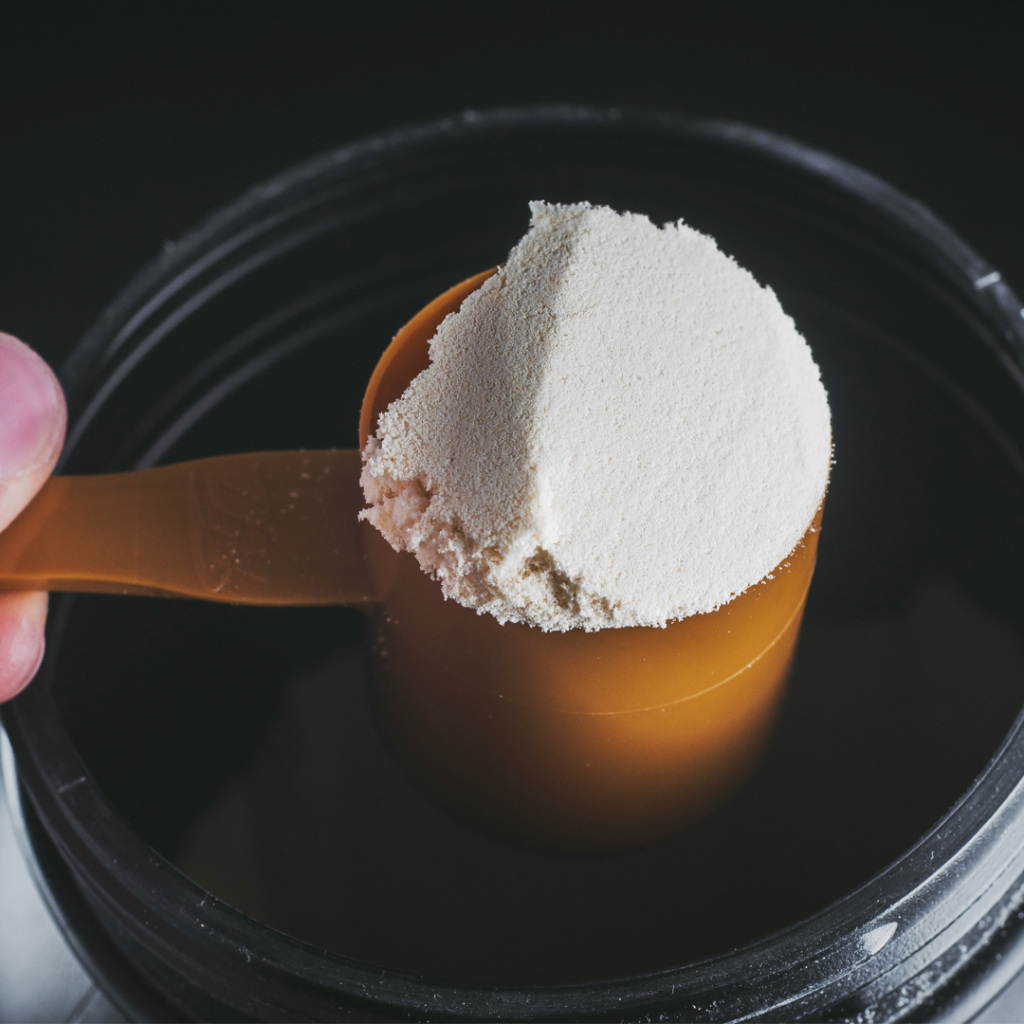
Designs for Health Creatine Monohydrate is a trusted option. It’s micronized for optimal absorption, third-party tested, and free of fillers, ensuring a high-quality supplement you can feel confident in.
Practitioners can help:

Assess your health history and dietary needs.
Recommend appropriate doses and forms.
Monitor your progress and adjust supplementation as needed.
Creatine for Organ and System Function
Brain: Improves cognitive resilience, energy metabolism, and neuroprotection.
Muscle: Enhances strength, hydration, and recovery.
Heart: Reduces oxidative stress and supports cardiovascular health.
Immune System: Lowers inflammation and promotes recovery from stressors.
Choosing the right supplements to meet your needs should be done with a practitioner. Many practitioners can help you find what will provide the most for you and give you access to high-quality supplements such as creatine. Supplements can be a great addition to your work when used appropriately. If you have questions about what might work best for you book a call today through this link https://p.bttr.to/3MhkPne
Natural vs. Supplemental Creatine: What’s Best?
While dietary sources of creatine are valuable, they may not provide sufficient levels for specific health and performance goals. For instance, consuming enough red meat or fish to achieve the optimal dose (3-5 grams/day) would require impractical amounts of food. Supplementation efficiently bridges the gap, particularly for individuals with higher demands or dietary restrictions.
Takeaway: A Holistic, Bio-Individual Approach
Creatine is a versatile and well-researched supplement with benefits that span physical performance, mental health, and overall wellness. However, not every supplement is right for everyone. A bio-individual approach, guided by a practitioner, ensures you get what your body truly needs—creatine or another intervention. Combining creatine with a nutrient-dense diet and balanced lifestyle can optimize energy, reduce inflammation, and support your body and mind holistically. Check out our services at https://intentionallyhealed.com/nutritional-therapy-for-athletes-and-high-performers/
Disclaimer
This blog is for informational purposes only and should not be considered medical advice. Always consult a qualified healthcare professional before starting any supplement, especially if you have preexisting health conditions, are pregnant, or are breastfeeding.
References
Rae, C., et al. (2003). Oral creatine monohydrate supplementation improves brain performance: a double-blind, placebo-controlled, cross-over trial. Proceedings of the Royal Society B: Biological Sciences, 270(1529), 2147-2150.
Rocha, A., et al. (2015). Add-on creatine in the treatment of major depressive disorder: A randomized, double-blind, placebo-controlled trial. Journal of Clinical Psychiatry, 76(12), 1655-1663.
Rahimi, M., et al. (2017). Creatine supplementation reduces pro-inflammatory cytokines and lipid peroxidation in humans. Nutrition Research, 41, 36-43.
Benzi, G., & Ceci, A. (2000). Creatine as nutritional supplementation and medicinal product. The Journal of Sports Medicine and Physical Fitness, 40(1), 1-10.
Matthews, R. T., et al. (1999). Neuroprotective effects of creatine and cyclocreatine in animal models of Huntington’s disease. Journal of Neuroscience, 19(21), 9482-9490.