Athletic performance isn’t just about training harder or clocking longer hours at the gym—it’s also about understanding the science behind what fuels your body. Minerals and electrolytes, often overlooked in the pursuit of peak performance, are foundational for energy, hydration, and muscle function. Whether you’re sweating it out in the heat of summer or braving the chill of winter, your body needs these essential nutrients to maintain balance and perform at its best. In this blog, we’ll explore the vital role of minerals and electrolytes, the science of sweat loss, and how to optimize hydration and nutrition for year-round athletic success.
When it comes to athletic performance, minerals and electrolytes are often overlooked, yet they are vital for maintaining optimal energy, hydration, and muscle function. During exercise, the body loses water and electrolytes through sweat, which can lead to dehydration, cramping, and fatigue if not replenished. Using the formula sweat loss = pre-exercise weight – post-exercise weight + fluid intake during exercise, athletes can determine how much water they lose during a workout. Replacing 150% of this loss in fluids ensures proper rehydration. Sodium, potassium, calcium, and magnesium are essential electrolytes that regulate fluid balance, support muscle contractions, and prevent cramps. Without these critical minerals, athletes may experience fatigue, muscle weakness, or an irregular heartbeat. We lose out when we associate mineral loss with seeing the sweat glistening off of our bodies. We don’t see our sweat during the winter as much when we are running outside or going for a rigorous hike.
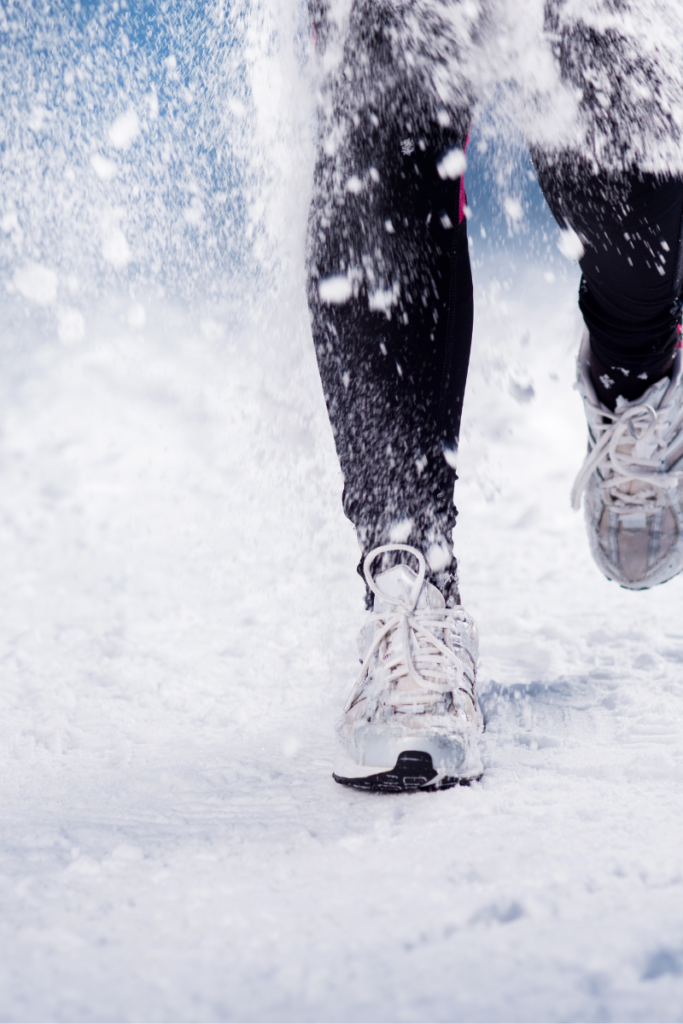
In colder weather, the air holds less moisture, making it easier for sweat to evaporate quickly from your skin. However, the cooler temperatures mean you won’t feel as much heat or see visible droplets as in the summer. Winter clothing layers, especially moisture-wicking base layers, absorb sweat before it can accumulate on your skin or drip, reducing the visible signs of sweating. In cold weather, sweat evaporates directly into the dry air before it can form noticeable beads on your skin, making the sweating process less obvious.
Because people may not feel the intense heat of summer, they may not associate the cooling effect of sweat with exertion in cold conditions, even though their bodies are still producing it.
In cold weather, sweat evaporates directly into the dry air before it can form noticeable beads on your skin, making the sweating process less obvious.
Why Minerals and Electrolytes Matter
Minerals like sodium, potassium, calcium, magnesium, and chloride regulate critical processes such as fluid balance, nerve signaling, and muscle contractions. Electrolytes, which dissolve in fluids and carry an electric charge, help the body perform essential functions during exercise. Training in the winter presents unique challenges compared to summer workouts. While hot weather increases visible sweat loss, cold temperatures can dull the body’s thirst signals, making dehydration just as common. Heavy winter clothing often traps heat, leading to sweat loss that may go unnoticed.
Proper hydration is crucial year-round, and in the winter, drinking warm electrolyte-rich fluids such as broth or tea can help maintain hydration and replenish lost minerals. Winter athletes are also at higher risk of hypothermia and frostbite, especially when wearing improper clothing. Layering is key: a moisture-wicking base layer to keep sweat off the skin, an insulating layer to retain body heat, and an outer layer to protect against wind and moisture.
Difference Between Macrominerals and Microminerals
Macrominerals and microminerals are essential nutrients the body requires in different quantities to support physiological functions. Macrominerals, such as calcium, magnesium, sodium, potassium, and phosphorus, are needed in larger amounts (hundreds of milligrams daily) and are critical for bone strength, muscle contraction, and fluid balance. For example, calcium supports strong bones and aids in nerve transmission, while potassium maintains electrolyte balance and helps control blood pressure.
Microminerals, or trace minerals, such as iron, zinc, selenium, and copper, are required in smaller amounts (milligrams or micrograms daily). These trace minerals are vital for enzymatic reactions, immune function, and antioxidant defense. For example, iron is essential for oxygen transport in blood, while zinc supports immune health and tissue repair. Both macrominerals and microminerals are indispensable, working synergistically to maintain overall health and athletic performance. If you are looking to make your own electrolyte mix at home check out our free downloadable guide for making electrolyte mixes at home https://intentionallyhealed.com/health-and-wellness-guidance/
Both macrominerals and microminerals are indispensable, working synergistically to maintain overall health and athletic performance.
Key Roles of Electrolytes:
- Maintain Fluid Balance: Sodium and potassium regulate water movement in and out of cells.
- Support Muscle Function: Calcium and magnesium ensure smooth and efficient muscle contractions.
- Prevent Cramping: Electrolytes reduce the risk of muscle spasms and cramps during prolonged activity.
- Enhance Energy Production: Magnesium plays a vital role in converting food into energy.
Symptoms of Mineral and Electrolyte Deficiencies
A lack of key minerals can leave athletes feeling sluggish and underperforming. Common symptoms include:
- Fatigue: Inadequate magnesium or potassium levels can disrupt energy production.
- Muscle Cramps or Weakness: A sign of low sodium, potassium, or calcium.
- Headaches: Often linked to sodium or magnesium imbalances.
- Dizziness or Lightheadedness: A result of dehydration or low electrolyte levels.
- Irregular Heartbeat: Linked to potassium and magnesium imbalances.
Top Foods for Mineral-Rich Nutrition
Incorporate these nutrient-dense foods into your diet to maintain optimal mineral and electrolyte levels:
- Sodium: Pickles, broth, salted nuts.
- Potassium: Bananas, avocados, sweet potatoes, spinach.
- Calcium: Dairy products, fortified plant milk, kale, almonds.
- Magnesium: Dark chocolate, pumpkin seeds, spinach, quinoa.
- Chloride: Table salt, seaweed, olives.
Signs of Dehydration
Even mild dehydration can impair athletic performance. Be on the lookout for:
- Thirst (a late sign of dehydration).
- Dry mouth or sticky saliva.
- Dark yellow urine or infrequent urination.
- Fatigue or difficulty concentrating.
- Dizziness or confusion.
Electrolytes in the Winter
While we often associate dehydration and electrolyte imbalances with summer heat, winter athletes are just as susceptible. Cold weather can dull your thirst response, making it easier to become dehydrated. Additionally, heavy winter layers can cause sweat loss without you realizing it. Proper hydration relies on maintaining the right balance of key electrolytes, including sodium, potassium, magnesium, and calcium. These minerals regulate fluid balance, muscle contractions, and nerve signaling. Sodium and chloride, found in table salt, play the primary role in retaining water and ensuring adequate fluid levels in the bloodstream. Potassium balances sodium by aiding in water retention within cells, preventing dehydration. Magnesium and calcium further support hydration by facilitating muscle function and preventing cramping. An ideal electrolyte ratio in many hydration solutions is approximately 2:1 sodium to potassium, with magnesium and calcium in smaller, balanced amounts. For most athletes, electrolyte replenishment should match sweat losses, with typical recommendations of 300-600 mg of sodium, 100-200 mg of potassium, and 25-50 mg of magnesium per liter of water consumed during exercise. While these are the general guidelines for ratios of minerals for electrolytes, I have seen that higher amounts of sodium, potassium, and magnesium in products such as LMNT make a significant difference for athletes and those healing from a life of chronic stress. Chronic stress depletes the body of minerals without us noticing this.
These minerals regulate fluid balance, muscle contractions, and nerve signaling
To stay hydrated and balanced during extended training sessions, drink warm fluids like broth-based soups and include electrolytes. Minerals are not the only thing that matters during the colder seasons. Proper clothing, including appropriate layers, is crucial. If you are going to be outside, whether for running or winter hiking, dress appropriately.
Winter Workout Gear: Staying Safe in the Cold
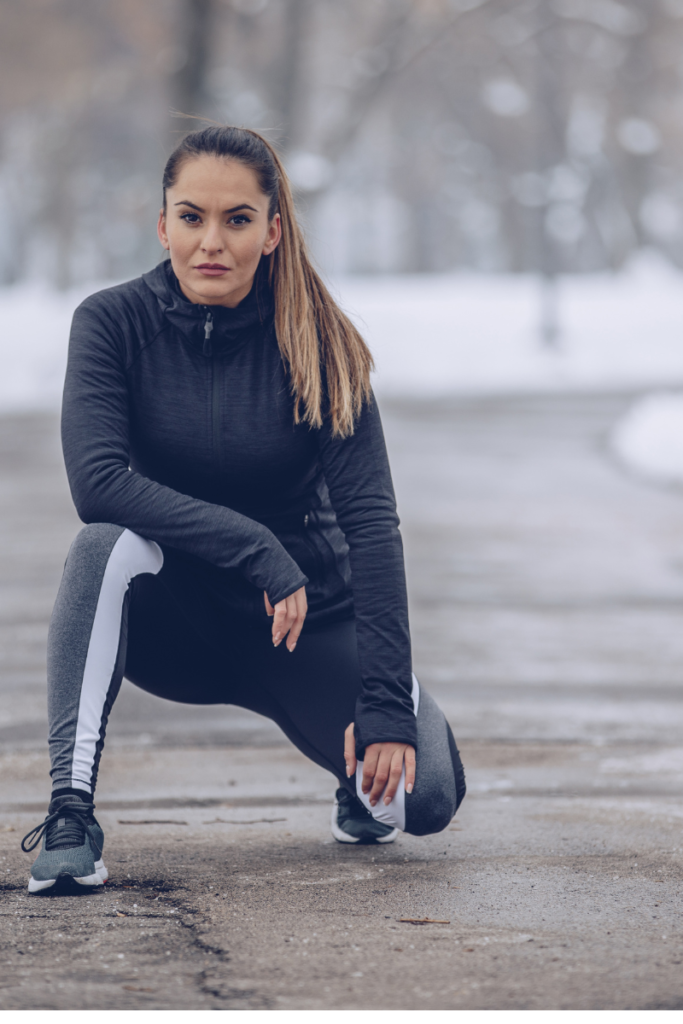
Proper attire is critical for winter exercise. Without adequate gear, cold weather can lead to frostbite, hypothermia, or impaired performance due to stiff muscles. Proper clothing prevents cold-related injuries and helps regulate body temperature and manage sweat loss. Sweat trapped against the skin in freezing temperatures can lead to rapid cooling, stiff muscles, and an increased risk of injury. On the other hand, breathable and insulating fabrics keep athletes comfortable and safe. For high performers and beginners alike, focusing on hydration, minerals, and appropriate winter gear ensures that workouts remain effective, even in harsh conditions. Combining these strategies with proper nutrition, like foods rich in sodium, potassium, and magnesium, helps athletes maintain peak performance, no matter the season.
What to Wear:
- Base Layer: Moisture-wicking fabric to keep sweat off your skin.
- Insulating Layer: Wool or fleece to trap heat.
- Outer Layer: Waterproof and windproof to protect against the elements.
- Accessories: Gloves, hats, and thermal socks to prevent heat loss.
Risks of Improper Gear:
- Hypothermia can set in when the body loses heat faster than it can produce it.
- Frostbite affects exposed skin, particularly fingers, toes, and ears.
- Tight muscles and restricted movement due to cold temperatures can increase injury risk.
How IH’s New Athlete Packages Can Help
At IH, we’ve crafted three tailored packages to help athletes like you achieve your best in 2025 and beyond. Our Foundations Package, Performance Package, and Elite Package address critical areas of athletic performance, from nutrition and lab testing to advanced supplementation.
- Comprehensive Nutrition Plans: Personalized protocols that ensure you’re getting the right minerals and electrolytes.
- Functional Labs: Assess your unique needs, including inflammation markers and hormone balance.
- Performance Coaching: Gain expert guidance to integrate nutrition, hydration, and training strategies.
Why Start Now?
Building your performance strategy now ensures you’re primed to hit the ground running in 2025. Whether your goal is improving endurance, building strength, or optimizing recovery, starting today lays the groundwork for success tomorrow. Minerals and electrolytes may be small, but their impact on athletic performance is enormous. You can elevate your training and recovery by prioritizing hydration, eating a mineral-rich diet, and gearing up properly for the winter. With IH’s tailored packages, you’ll have the tools and guidance to crush your goals and make 2025 your strongest year yet.
Minerals and electrolytes are the unsung heroes of athletic performance, crucial for energy production, muscle function, and hydration. Neglecting these essential nutrients can lead to fatigue, cramps, and diminished performance, especially during rigorous training or cold-weather workouts. By prioritizing a mineral-rich diet, tailoring your hydration strategies, and wearing appropriate gear, you can ensure your body is prepared to perform its best in any season. With the right tools, including our personalized athlete packages, you can set yourself up for success and make 2025 your strongest year. Take the first step today—because minor adjustments lead to significant results.
Citations:
- Institute of Medicine. “Dietary Reference Intakes for Water, Potassium, Sodium, Chloride, and Sulfate.” National Academies Press. DOI: 10.17226/10925
- Thomas, D. T., et al. “Position of the Academy of Nutrition and Dietetics, Dietitians of Canada, and the American College of Sports Medicine: Nutrition and Athletic Performance.” Journal of the Academy of Nutrition and Dietetics. DOI: 10.1016/j.jand.2015.12.006
- Hew-Butler, T., et al. “Statement of the Third International Exercise-Associated Hyponatremia Consensus Development Conference, Carlsbad, CA, 2015.” Clinical Journal of Sport Medicine. DOI: 10.1249/MSS.0000000000001229