
Why Wild Alaskan Fish Are a Nutritional Powerhouse

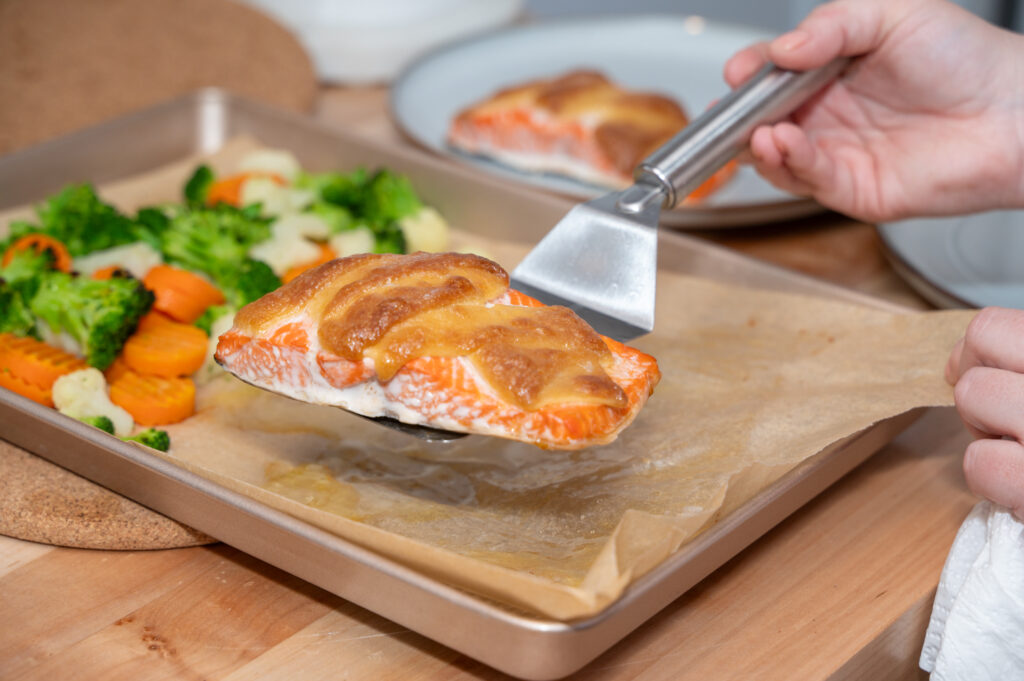
A few weeks ago, Christina had the incredible opportunity to collaborate with Alaska Fresh Seafood. She designed recipes for salmon, halibut, and sablefish. The photo shoot was non-stop cooking and sharing information. She learned about the importance of using sustainable fishing methods for Adra and Juro. If you have been around Intentionally Healed for a while, you know how important this is to us. When it comes to functional nutrition, few foods rival wild Alaskan salmon, halibut, and sablefish. These cold-water fish deliver high levels of EPA and DHA, essential omega-3 fatty acids linked to better brain health, mood regulation, and reduced inflammation.
Because these fish thrive in pristine Alaskan waters, they’re naturally:
- High in healthy fats
- Low in mercury and toxins
- Sustainably sourced
For anyone following a Nutritional Therapy Practitioner (NTP)-guided plan, these are A+ protein sources that feed both body and mind.
Omega-3 Fatty Acids: Your Brain’s Best Friend
Let’s get clear on the 3 omega-3s you need to know. Omega-3 fatty acids aren’t just a wellness buzzword—they’re essential for survival. Your body can’t make them, so you have to get them from food or supplements. These fats are the quiet heroes behind a healthy brain, balanced hormones, quick healing, and lower inflammation.
EPA (Eicosapentaenoic Acid)
- Reduces systemic inflammation
- Supports serotonin production
- Found in highest amounts in wild salmon and sablefish
DHA (Docosahexaenoic Acid)
- Supports brain structure and cognition
- Low DHA linked to depression, memory loss, and anxiety
- Crucial during pregnancy and childhood
ALA (Alpha-linolenic Acid)
- Plant-based omega-3 found in flax, chia, walnuts
- Converts poorly to EPA/DHA — only 5-10% efficiency
- That’s why eating fish is essential
🧠 From the Mental Wellness Certification curriculum: Omega-3s directly impact the gut-brain axis, neurotransmitter signaling, and inflammation modulation. Low intake is linked to ADHD, mood instability, and cognitive decline.
The Gut-Brain Connection Starts with Your Fork

Eating wild fish doesn’t just help your brain — it strengthens your gut microbiome, too.
Here’s how:
- Anti-inflammatory fatty acids reduce gut lining irritation
- Complete proteins rebuild the intestinal barrier
- Natural prebiotic compounds support microbial diversity
Sablefish (aka black cod) is especially gut-friendly. It’s rich in fat, silky in texture, and gentle on digestion — ideal for those with leaky gut, IBS, or chronic bloat. Our brain is nearly 60% fat—and Omega-3s are a key part of that structure. DHA is especially concentrated in the brain and eyes.
They help:
- Improve memory and learning
- Boost focus and attention
- Lower the risk of depression and anxiety
- Protect against cognitive decline
In fact, low Omega-3 levels are linked to a higher risk of Alzheimer’s and mood disorders.
Omega-3s don’t just reduce inflammation—they also promote tissue repair. After injury or surgery, your body needs fats to rebuild cells and reduce swelling. These fatty acids help modulate immune cells that speed up healing.
Clinical research backs this up: patients recovering from surgery or trauma often heal faster with higher Omega-3 intake. Hormones are chemical messengers, and Omega-3s help them stay balanced. They influence estrogen, testosterone, cortisol, and even insulin. For women, they can ease PMS symptoms and support fertility. For men, they may help testosterone production and sperm quality.
Without enough Omega-3s, hormonal chaos can set in. This can manifest as mood swings, fatigue, weight gain, or irregular menstrual cycles. While we tend to think of ONLY the gut-brain axis when it comes to mental wellness, we also need to consider the gut-heart-hormone-brain axis if we want to improve mental wellness.
How to Measure Your Omega-3 Levels (and Why It Matters
You can’t manage what you don’t measure.
Functional omega testing gives you a lab-backed snapshot of your omega status — and helps tailor your nutrition strategy.
What you’ll learn:
- Omega-3 Index (ideal: 8–12%)
- EPA:DHA ratios
- Omega-6:Omega-3 ratio (ideal: 2:1 to 3:1)
- Inflammation and cardiovascular risk
As an NTP, I use these tests to track changes in mood, focus, and energy after consistent fish intake. Clients are often shocked — not by the test results, but by how much better they feel within weeks of eating real food again.
Why Alaskan Fish Is Superior
When it comes to omega-rich fish, sourcing matters.
Wild Alaskan fish are:
- Naturally high in omega-3s (due to cold water)
- Free from hormones, antibiotics, and farm contaminants
- Harvested sustainably and responsibly
Top picks for wellness:
- Wild Sockeye Salmon – bold flavor, highest in DHA
- Pacific Halibut – lean protein, great for beginners
- Sablefish (Black Cod) – rich, buttery, and gut-friendly
My favorite Alaska Seafood company is https://www.alaskafreshseafood.com. Use discount code INTENTIONALLYHEALED for 10% off of your order. Fish is not only a powerhouse of nutrients; they are quick protein sources when you need to get dinner on the table in 30 minutes or less.

From Functional Nutrition to Functional Food
Here’s the truth: Supplements aren’t the solution if your diet is lacking.
Instead of chasing magic pills, eat food that does the job:
- Real omega-3s from fresh fish
- Complete proteins for gut repair
- Natural nutrients in their most bioavailable form
Take Charge of Your Omega Balance
Here’s how to start your omega optimization plan:
- Get functional omega testing — know your baseline.
- Eat 2–3 servings/week of wild Alaskan fish.
- Track your mood, focus, digestion, and sleep for 30 days.
🔗 Want help? I offer omega testing kits, meal guides, and personalized nutrition coaching
Your brain doesn’t run on caffeine and willpower. It runs on fat. Good fat. Like the kind found in the icy waters of Alaska.
Feed your body real food. Let wild fish heal your gut, calm your mind, and bring your brain back online.