Glutathione, often referred to as the “master antioxidant,” is a vital molecule found in every cell of the human body. N-acetylcysteine (NAC)is the precursor to glutathione. Its multifaceted role extends far beyond its antioxidant properties, encompassing various health benefits that contribute to overall well-being. One of the primary functions of glutathione is its ability to neutralize free radicals and protect cells from oxidative damage. This makes it instrumental in combating inflammation, reducing the risk of chronic diseases, and supporting optimal cellular function.
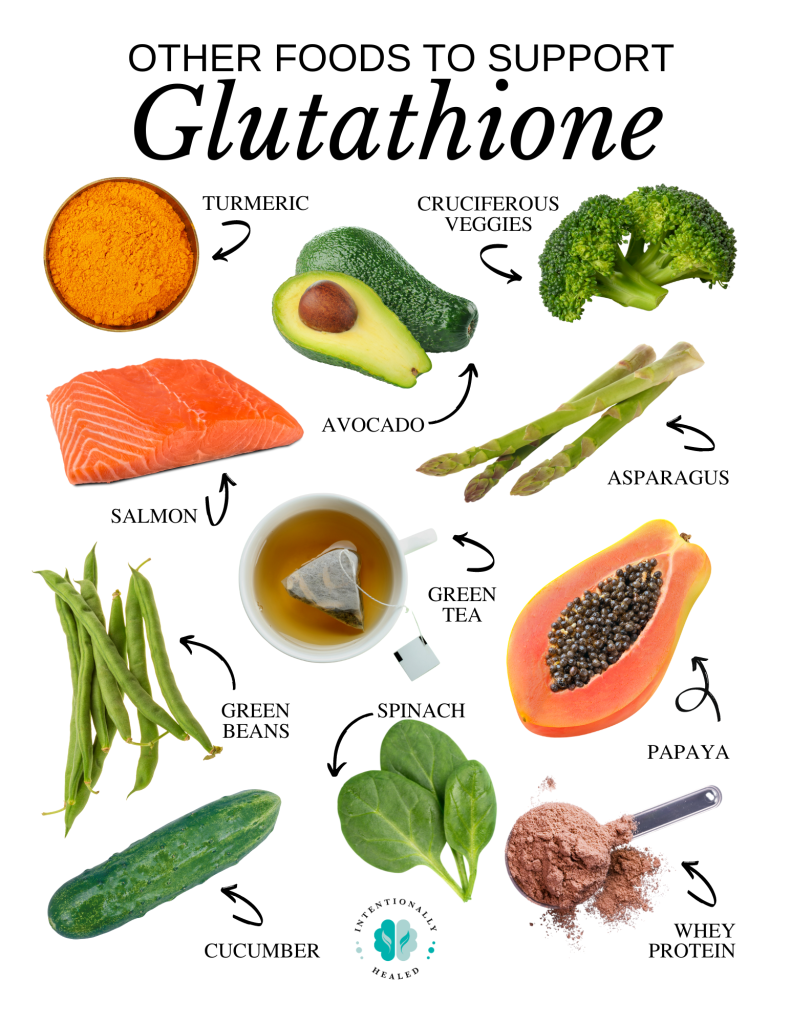
In terms of dietary sources, while consuming glutathione-rich foods directly may not significantly increase its levels in the body due to its poor absorption, certain nutrients can help boost the body’s production of glutathione. These include sulfur-containing amino acids such as cysteine, glycine, and glutamine, which are essential for glutathione synthesis. Foods rich in these amino acids include eggs, poultry, fish, dairy products, legumes, and cruciferous vegetables like broccoli and cauliflower, green beans, turmeric, avocados.
Mental health benefits are another crucial aspect of glutathione’s role in the body. Research suggests that maintaining optimal glutathione levels may support cognitive function, reduce the risk of neurodegenerative diseases such as Alzheimer’s and Parkinson’s, and improve mood and overall mental well-being. Glutathione’s ability to protect neurons from oxidative stress and inflammation is particularly significant in preserving brain health and function.
Research suggests that maintaining optimal glutathione levels may support cognitive function, reduce the risk of neurodegenerative diseases such as Alzheimer’s and Parkinson’s, and improve mood and overall mental well-being.
Inside the liver, glutathione plays a critical role in detoxification processes by aiding in the removal of toxins, heavy metals, and harmful substances from the body. It acts as a potent antioxidant, scavenging free radicals and preventing cellular damage. Additionally, glutathione is involved in the regeneration of other antioxidants, such as vitamins C and E, further enhancing the body’s defense mechanisms against oxidative stress and promoting liver health. Once glutathione binds to a toxin in the liver to neutralize it that glutathione molecule dies. When glutathione is utilized outside of the liver it has the opportunity to recycle itself by losing an electron and then later gaining electrons back to where it splits into two glutathione molecules.
The impact of glutathione on longevity is a topic of growing interest in scientific research. Studies suggest that maintaining optimal levels of glutathione may help slow down the aging process, reduce the risk of age-related diseases, and promote longevity. By combating oxidative stress, inflammation, and cellular damage, glutathione supports overall health and vitality, contributing to a longer and healthier lifespan.
As for the 10 best foods to increase glutathione stores as we age, incorporating a variety of nutrient-dense foods rich in sulfur-containing amino acids and other nutrients that support glutathione synthesis is essential. These include eggs, poultry (such as chicken and turkey), fish (such as salmon and mackerel), dairy products (such as milk, yogurt, and cheese), legumes (such as lentils, chickpeas, and beans), cruciferous vegetables (such as broccoli, Brussels sprouts, and cauliflower), garlic, onions, spinach, and avocado.
These include aging, poor diet lacking in essential nutrients, environmental toxins and pollutants, chronic stress, and certain medications and medical conditions.
Finally, it’s essential to be aware of factors that can decrease or impair glutathione levels in the body. These include aging, poor diet lacking in essential nutrients, environmental toxins and pollutants, chronic stress, and certain medications and medical conditions.
By addressing these factors and incorporating glutathione-boosting foods and lifestyle practices into daily routines, individuals can support optimal glutathione levels and enjoy the myriad health benefits associated with this vital antioxidant.
Overall, supplementing with N-acetylcysteine (NAC) and glutathione can provide a range of health benefits, including supporting antioxidant defense, detoxification, respiratory health, immune function, and mental well-being
Boosting Glutathione Levels: NAC is a precursor to glutathione, meaning it provides the building blocks necessary for the body to produce glutathione. Glutathione, often referred to as the body’s master antioxidant, plays a crucial role in neutralizing free radicals, reducing oxidative stress, and protecting cells from damage. By increasing glutathione levels, NAC supplementation helps support overall antioxidant capacity and cellular health.
Detoxification Support: Both NAC and glutathione are involved in the detoxification process within the body, particularly in the liver. They help neutralize and eliminate toxins, heavy metals, and harmful substances, thereby supporting liver function and promoting detoxification pathways. This is particularly beneficial for individuals with exposure to environmental toxins or those with compromised liver function.
Respiratory Health: NAC is commonly used as a mucolytic agent to help break down and thin mucus in the respiratory tract. It is often prescribed for conditions such as chronic bronchitis, cystic fibrosis, and chronic obstructive pulmonary disease (COPD) to help improve breathing and reduce the severity of respiratory symptoms.
Supporting Immune Function: Glutathione plays a vital role in supporting immune function by modulating inflammation, enhancing the activity of immune cells, and promoting tissue repair. Supplementing with NAC and glutathione may help bolster immune defenses and support overall immune health, reducing the risk of infections and supporting recovery from illness or injury.
Antioxidant Protection: Both NAC and glutathione act as potent antioxidants, scavenging free radicals and protecting cells from oxidative damage. This helps reduce the risk of chronic diseases associated with oxidative stress, such as cardiovascular disease, neurodegenerative disorders, and certain types of cancer.
Mood and Mental Health: Some research suggests that NAC supplementation may have benefits for mood and mental health. It has been studied for its potential antidepressant effects, as well as its ability to support neurotransmitter balance and reduce oxidative stress in the brain. Additionally, glutathione has been implicated in cognitive function and may help protect against age-related cognitive decline.
I’m a fan of a food-first approach that includes plenty of animal proteins because of the bioavailability of nutrients when eating nose-to-tail. We also need to keep in mind that our soil is depleted of nutrients and that we will need to bridge the gaps that are created in our food. There are also special cases such as those who have careers where toxic exposures are normalized, and they become at risk for negative effects from the toxic load due to their exposures. Those who also want to optimize performance and longevity might want to look into working with someone to find healing opportunities while also increasing how you are getting glutathione. Aside from supplementing with liposomal glutathione, you can increase your levels by supplementing N-Acetylcysteine (NAC). Supplementing with N-acetylcysteine (NAC) and glutathione offers several potential health benefits due to their roles in supporting antioxidant defense, detoxification, and overall cellular health. Overall, supplementing with N-acetylcysteine (NAC) and glutathione can provide a range of health benefits, including supporting antioxidant defense, detoxification, respiratory health, immune function, and mental well-being. However, it’s essential to consult with a healthcare professional before starting any new supplement regimen, especially if you have underlying health conditions or are taking medications. Additionally, it’s important to ensure that the supplements are of high quality and taken at appropriate dosages for maximum effectiveness and safety.