
Let’s be real—if you’re a military spouse and it’s Permanent Change of station (PCS) season again, your nervous system is probably screaming louder than a toddler who can’t find their favorite toy (which, let’s be honest, is probably already packed in a box labeled “miscellaneous garage stuff”). Let’s tack on that school is starting back up again soon. This task is added to your to-do list as soon as you arrive at a new duty station. Reading this probably has your mind going a million miles a minute, and you can feel your stress beginning to rise as you think of that to-do list.

Which means….
You’re trying to function on caffeine and sheer willpower, all while coordinating cross-country logistics, meal planning, and figuring out what base housing looks like this time or if moving off base is the best decision for your family. Where are the best schools? Where is the safest area to live? How far away are the things that you need? Oh, and did we mention trying to keep your body and brain regulated while managing everyone else’s meltdown? Yeah, it’s a lot. But this is where the PCS Recovery Plan swoops in like your personal emotional parachute. 🪂 Understanding what is going on within your body during stressful times, such as a major move, can help you give yourself grace while providing you with tools to get through.
Your Brain on PCS: Why You’re Not “Losing It”—You’re Just Human
When you’re under chronic stress (hello, PCS prep), your hypothalamic-pituitary-adrenal (HPA) axis fires up, flooding your system with cortisol. That constant fight-or-flight mode? It hijacks digestion, sleep, mood, and memory (Watson & Breedlove, 2020). So if you forgot your own zip code or snapped at your spouse for breathing too loudly—blame your nervous system, not your personality.
In The Body Keeps the Score, Dr. Bessel van der Kolk (2014) explains how trauma and chronic stress get lodged in our tissues, affecting both our mental health and physical health. PCS may not be a battlefield, but it is a perfect storm of physical exhaustion, emotional upheaval, and total loss of control. This is why nervous system support isn’t optional—it’s mission-critical.
🧘♀️ Nervous System Tools for Spouses on the Verge
Let’s support the whole you—because as an FNTP, we don’t just treat symptoms, we help rebuild from the roots up.
1. Declutter and ground yourself = Nervous System Relief

Seriously, that closet of chaos is draining your brain. Decluttering not only frees up physical space but also reduces cognitive load and anxiety. It’s literal brain relief (Everly & Lating, 2019). One drawer at a time. You got this. This will also help you move less, so you unpack less on the other side. Unless you plan to move the extra items, consider putting them in a donate box to avoid unpacking them on the other side.
I use colored painters’ tape to categorize boxes. I add a piece of each color to a master copy of what each color means and keep it in our EVERYTHING binder. When we reach our final destination, I label each door with a piece of colored tape that corresponds to the area it belongs in. This way, I can efficiently prioritize unpacking while my husband puts furniture together.
Another tip I have is to utilize grocery delivery at your new destination. Grocery shopping cuts into the time you could be unpacking and getting your new house in order. The faster you unpack, the quicker you and your family can get settled and into a new routine.
In the middle of all of this, if you find yourself standing in a room feeling overwhelmed with ALL THE THINGS. Ground yourself. Take your shoes off and head outside. Take in the morning sunlight. Feel the earth beneath your feet. Listen to the noises around you. Take deep breaths with long exhales. Focus on each of your senses. Sit with a cup of warm coffee and soak in the stillness wherever you can find it.
The stress of a significant move negatively impacts your digestive system. As you head into a move or stressful time in your life, it is vital to support your digestive system, AKA support your gut.
2. Support Your Gut = Support Your Mood
Your gut is your “second brain.” Over 90% of serotonin (your feel-good chemical) is made in the gut (Gropper & Smith, 2020). PCS stress halts digestion, so support it with: Digestive Enzymes (before meals). Reach out to your practitioner at https://intentionallyhealed.com to find the right digesting enzyme and support to meet your needs. During PCS season, your body’s stress response is basically in overdrive—running on caffeine, adrenaline, and sheer grit. But here’s the catch: when your stress is high, your digestive function slows down, making it harder to break down and absorb nutrients (which, ironically, is when your body needs them most 😩). That’s where Biotics Research digestive enzymes come in clutch. These enzymes help your body ACTUALLY digest and absorb all those nutrient-dense meals you’re trying to throw together between box hunts and school registrations. Whether you’re eating on the go, dealing with bloating, or just trying to avoid feeling like a brick after meals, digestive enzymes give your gut the extra support it needs to keep you energized, nourished, and functioning like the PCS rockstar you are because no one has time for gut drama when there’s a cross-country move happening. Digestive enzymes are not enough to support the body alone; you still need to offer support to your adrenals and HPA axis during this time. Inexpensive digestive support through a different mechanism of action can be found by adding lemon to your water or starting your day with a diluted shot of apple cider vinegar (always use organic and with the mother). You can easily use both digestive enzymes and ACV or lemon water.
Once to step over the line into feeling, “I just unpacked 47 boxes, fed the kids cereal for dinner, and still can’t find my underwear drawer” kind of wiped out? 😅 That next-level fatigue might be your adrenal glands waving a little white flag. ADB5-Plus™ is here to help. This powerful blend of vitamins, minerals, amino acids, and glandular support (yep, the good kind from porcine, ovine, and bovine sources) gives your body the raw materials it needs to bounce back. It supports the adrenal glands—those little stress-handling superheroes that often take a hit during high-stress seasons like PCS—and helps regulate energy, mood, and that all-too-familiar sense of overwhelm because your nervous system deserves support just as much as your moving truck did.
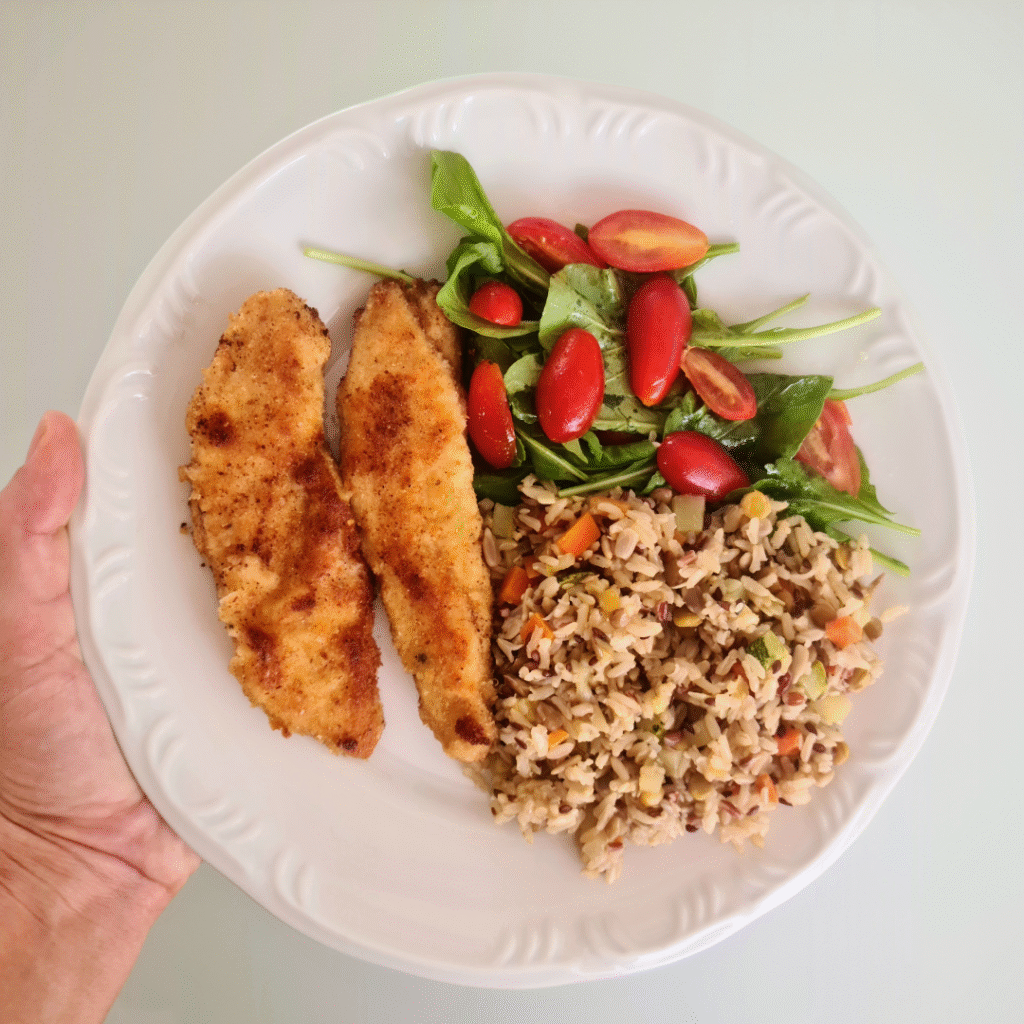
3. Nutrition That Grounds You
When life feels unstable, nutrient-dense meals can literally ground your nervous system. According to NTA’s foundations, stabilizing blood sugar, hydrating properly, and focusing on real food (especially healthy fats and proteins) helps balance mood and brain function.
Pro tip: Fish, eggs, and pre-cooked proteins like rotisserie chicken are your PCS besties. Remember to focus on protein first, fats second, and then bring in the carbohydrates in the form of fruits and vegetables. If you tolorate grains you can make a quick balanced bowl that allows you to use up what you have on hand.
3. Sleep Like It’s Your Job (Because It Kind of Is)
Sleep disruption is common during PCS madness—but it’s one of the most crucial tools for nervous system repair. Lack of sleep worsens memory, decision-making, and emotional regulation (Watson & Breedlove, 2020). Prioritize wind-down routines, reduce blue light before bed, and make magnesium-rich foods (like leafy greens and pumpkin seeds) part of dinner.
4. 📚 Binder = Brain Extension
Put EVERYTHING in a PCS binder: orders, housing info, contact numbers, school records, emergency chocolate stash inventory. It reduces cognitive load and gives your brain one less thing to worry about. Add tabs—label stuff. Go wild. I call this the EVERYTHING binder.
5. 🫶 Use Your Network
Lean on your fellow spouses. Ask for help. Share your wrap or bowl recipe. Cry in someone else’s kitchen. Borrow bubble wrap. Remember: military spouses are resourceful, strong, and not meant to do it all solo.
“Final Word: You’re Not “Too Sensitive”—You’re Just Overstimulated” – Christina Kieler
Stress doesn’t just impact your mind—it disrupts your biochemistry, alters your neurotransmitters, messes with your digestion, and zaps your nutrient stores (Gropper & Smith, 2020). Supporting your nervous system holistically—with food, sleep, movement, breath, and community—isn’t a luxury. It’s survival.
Take care of your nervous system like it’s another dependent. Because in this crazy season? It kind of is. 💥💛
🧠 References:
Everly, G. S., & Lating, J. M. (2019). A Clinical Guide to the Treatment of the Human Stress Response (4th ed.). Springer.
Gropper, S. S., & Smith, J. L. (2020). Advanced Nutrition and Human Metabolism (7th ed.). Cengage.
Van Der Kolk, B. (2014). The Body Keeps the Score: Brain, Mind, and Body in the Healing of Trauma. Viking.
Watson, N. V., & Breedlove, S. M. (2020). The Mind’s Machine: Foundations of Brain and Behavior (4th ed.). Sinauer Associates.
Nutritional Therapy Association (NTA). Foundations of Nutritional Therapy.