Nutrients from whole foods are essential for our overall health and well-being. During different seasons of life, such as healing moments, stressful times, reproductive years, pregnancy, perimenopause, and menopause, our nutrient needs can vary. During the midlife season for women, several nutrients are key to enjoying smooth sailing through that hormonal shift.
Today, we are focusing on foods rich in phytoestrogens. These compounds can be a powerful tool when it comes to managing those irritating symptoms that can arise with Perimenopause and Menopause.
The midlife shift looks different for each of us:
Menopause, that midlife season can be a time that many women dread due to the bothersome side effects that can come along with it. Did you know, in some cultures, menopause is seen as a time for celebration? Saying goodbye to one chapter and beginning a new one with excitement and enthusiasm. It is seen as a renewal, a fresh start.
This is true for Japanese culture. Studies show that less than 26% of these women going through menopause actually suffer from the typical symptoms. Compare this to approximately 80% of menopausal women in the U.S. It said that lifestyle for the Japanese plays a big role. Food, community, time outdoors and connection are a few of the reasons for this difference.
Even in our own society, the midlife transition can look different for each woman. You may see this within your own family or social circles. So why is it that some glide through this natural season of life with little to no symptoms while others are dealt a hand of hot flashes, night sweats, weight gain, craving, sleep disturbances, digestive shifts, hair loss and skin changes and moodiness? Simply put: health history, current health challenges, genetics, environment, lifestyle, food and nutritional differences play a part in how our body manages hormonal shifts. Each of us is unique in all of these ways.

What is happening in the body when perimenopause begins?
A brief explanation of what is occurring in the female body during the midlife season: This normal shift occurs at this time when progesterone production starts to naturally lessen (the fertile years are ending). We also see estrogen, which is produced in the ovaries, is now shifting to being produced in the adrenal glands. The adrenal glands are also responsible for the release of adrenaline as well as cortisol (referred to as the stress hormone). Now, estrogen production can be erratic. When the body is in balance, this transition can occur without or with minimal symptoms. We see symptoms arise and increase with internal imbalances. This could be due to things such as: nutrient deficiencies, food sensitivities, emotional stressors, toxins, viral load, parasites, poor digestion, inflammation and more. Check out our other blog about perimenopause and menopause for more information https://intentionallyhealed.com/perimenopause-and-menopause-support/
What can be done to prevent or lessen the symptoms?
There are natural ways to manage estrogen’s irregularity at this stage and avoid or diminish those tiresome, life disrupting symptoms that many see at this time. Nutrition, digestion, lifestyle, sleep all play critical roles in hormone health: the production of and the metabolism of hormones.
From a nutritional standpoint, what is best? This path is unique for each of us, however, there are foundational supports that we all could benefit from. So we start here, with nutrition. I like to start with foods which contain phytoestrogens. Yes, the right foods are beneficial to laying a foundation allowing one to glide through perimenopause, menopause and beyond.
First, what are phytoestrogens and where can we get them?
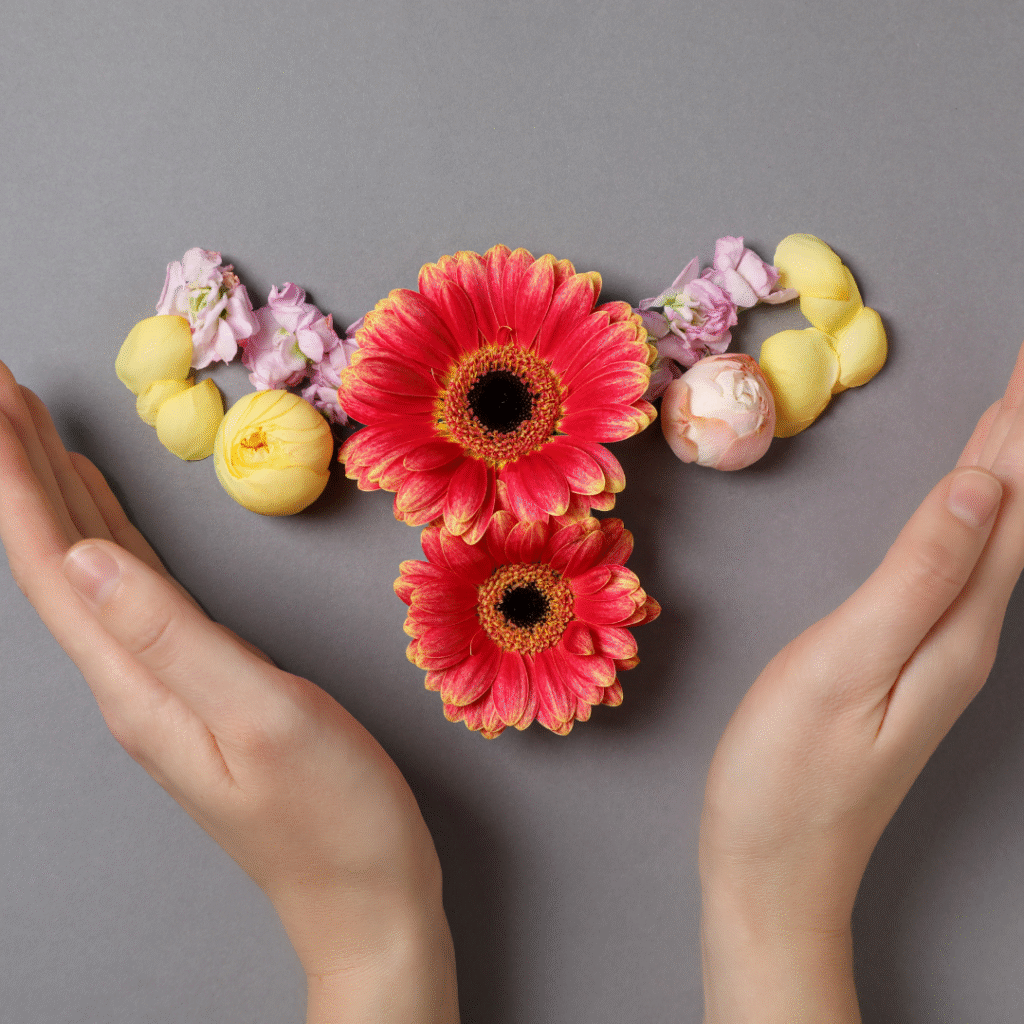
Phytoestrogens are compounds in plants which mimic the hormone, estrogen. Phytoestrogens are weaker than natural estrogen, however, estrogen receptors, which are located in various places in the body, can accept phytoestrogens. Estrogen receptors are found within cells, they are a protein which estrogen attaches to. We find these receptors in areas such as: reproductive organs, breast tissue, the brain, bone, cardiovascular system and the digestive tract. As you can see, from the location of these receptors, estrogen is involved in much more than just the reproductive system.
Phytoestrogens have potential health benefits in reducing menopause symptoms including night sweats, hot flashes and moodiness because of their weaker, estrogen-like effect. This is due to their ability to “fill in” when estrogen levels dip. They also may help to naturally lower cholesterol levels, protecting the cardiovascular system. Because they stimulate bone growth, phytoestrogens may help prevent osteoporosis. There are studies that suggest that phytoestrogens may help prevent some cancers.
The 3 types of phytoestrogens are isoflavones, coumestans and lignans. All with benefits to support us through the time during the erratic production time of estrogen and beyond. Certain plants are rich in these types of phytoestrogens.
Foods containing phytoestrogens
Many plant foods contain this compound, but some have more than others. Before we dive into specific foods, we must mention digestion. Foods can be helpful in supporting healthy hormones when digestion is on par. Why is digestion so important? In order for us to assimilate nutrients from foods, we must be able to break them down properly. Eating in a relaxed state, enjoying your food, strong stomach acid, the unassisted ability to fully empty at least once daily are all important pieces of the complicated digestion process for optimally digesting your food. If you are struggling with things such as burp, bloat, reflux, constipation, diarrhea you may benefit from working with a practitioner to work on improving and supporting your digestive health.
Phytoestrogens are found in various seeds, fruits and vegetables. Some foods and herbs to consider adding to your plate to nourish for better hormone health and aiding in reducing those menopausal symptoms are: Brussels sprouts, Broccoli, Oranges, Tea, Black Cohosh, Don Quoi, Lentils, Chickpeas, Flaxseed, Sesame Seeds, Potatoes, Apples, Cashews
Enjoy these incredible foods and herbs daily for greatest benefits. Be aware of avoiding those where sensitivities may be of concern.
Bountiful Broccoli:
Along with the phytonutrient compounds, broccoli is rich in Vitamin C, an important antioxidant key for immune health and collagen production. It also is a great source of Vitamin K, folate, calcium, magnesium and potassium. All helping to support bone health as well as cardiovascular health.
This delicious and versatile vegetable contains additional compounds supporting us through midlife and beyond. One of those compounds is sulforaphane. Sulforaphane aids in the detoxification process, helping to overcome estrogen dominance by aiding in the removal of excess estrogen when production is erratic. This is meaningful for hormone balance and greatly benefits the health of the liver. The liver benefits from intentional care, specifically through nutrition in these times of high stress and greater toxin load than our ancestors were ever exposed to.
Broccoli is also a fiber rich food. Fiber is necessary for the digestive process, detoxification and supporting blood sugar regulation. The fiber in broccoli also aids the body in the breakdown and removal of excess estrogen through waste. If excess or metabolized estrogen is not removed through waste, it sits in the body and is reabsorbed, contributing to hormonal imbalances and their side effects. Over time, creating potential for greater health risks.
Calcium, yes calcium is a mineral found in broccoli. This is not only beneficial to bone health but minerals including calcium are important for healthy hormones.
Ways to enjoy broccoli:
Having broccoli cooked and raw provides different nutrient profiles. That being said, raw broccoli can be difficult to break down digestively and may add to the work load of our already overworked gut. Lightly steamed or roasted broccoli is typically easier to digest. Add sea salt for flavor and added minerals plus butter or olive oil. These fats not only make for great taste but they aid in keeping us full, slow the digestive process (for more complete breakdown of food), are a fuel source and are needed to assimilate vitamins A, D, E and K.
Late summer and fall is the season for broccoli. So enjoy it fresh or frozen. Not only does It taste great and provides us with nutrients, but the phytoestrogens may help us feel better through the midlife hormone shifts!
The herbal, Black Cohosh:
Black cohosh is an herbal used in Traditional Chinese Medicine. This plant is a member of the buttercup family. Black cohosh has been shown to help with menopausal symptoms such as hot flashes and night sweats. This can be an aid as you work on other aspects of nutrition and lifestyle to build balance and naturally combat those irritating symptoms. You can order Black Cohosh here: https://us.fullscript.com/welcome/kmessier
Now that you are equipped with more information about what is happening within your body. Reach out to schedule a discovery call today for individual guidance as you move through this new season of life https://p.bttr.to/3MhkPne
Medical News Today. Phytoestrogens (dietary estrogen). https://www.medicalnewstoday.com/
Cleveland Clinic. Should I be Eating Phytoestrogens? https://health.clevelandclinic.org/phytoestrogens
National Institute of Health, National Library of Medicine. Role of estrogen receptors in health and disease. https://pmc.ncbi.nlm.nih.gov/articles/PMC9433670
Women’s International. Broccoli and Hormone Balance. https://www.womensinternational.com/blog/broccoli-and-hormone-balance/